According to preliminary data from Eurostat, the supply of natural gas and renewable energy in the EU grew compared with 2024, while the supply of coal and petroleum products decreased.
According to preliminary data from Eurostat, the supply of natural gas and renewable energy in the EU grew compared with 2024, while the supply of coal and petroleum products decreased.




The EU exported €366.2 billion worth of medicinal and pharmaceutical products in 2025, importing €145.7 billion, according to Eurostat, resulting in a record trade surplus of €220.5 billion.

The EU exported €199.6 billion worth of goods to China in 2025, while it imported €559.4 billion, resulting in a trade deficit of €359.8 billion, according to figures from Eurostat.

The EU’s trade in goods balance registered a surplus of €128 billion in 2025, representing a decrease of €8 billion compared with 2024 (€136 billion), according to Eurostat.
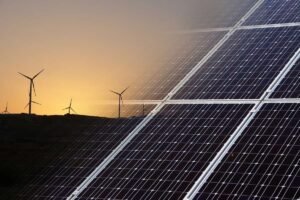
47.3 per cent of the electricity generated in the EU came from renewable energy sources in 2025, a slight increase from 2024 (47.2%), according to Eurostat.

Life expectancy at birth in the EU was 81.5 years in 2024, a 0.1-year increase from 2023, following decreases in 2020 (80.4 years) and 2021 (80.1 years) due to the COVID-19 pandemic.

More than a third (35.4%) of online shoppers in the EU reported encountering problems while making purchases through a website or an app in 2025, according to data from Eurostat.